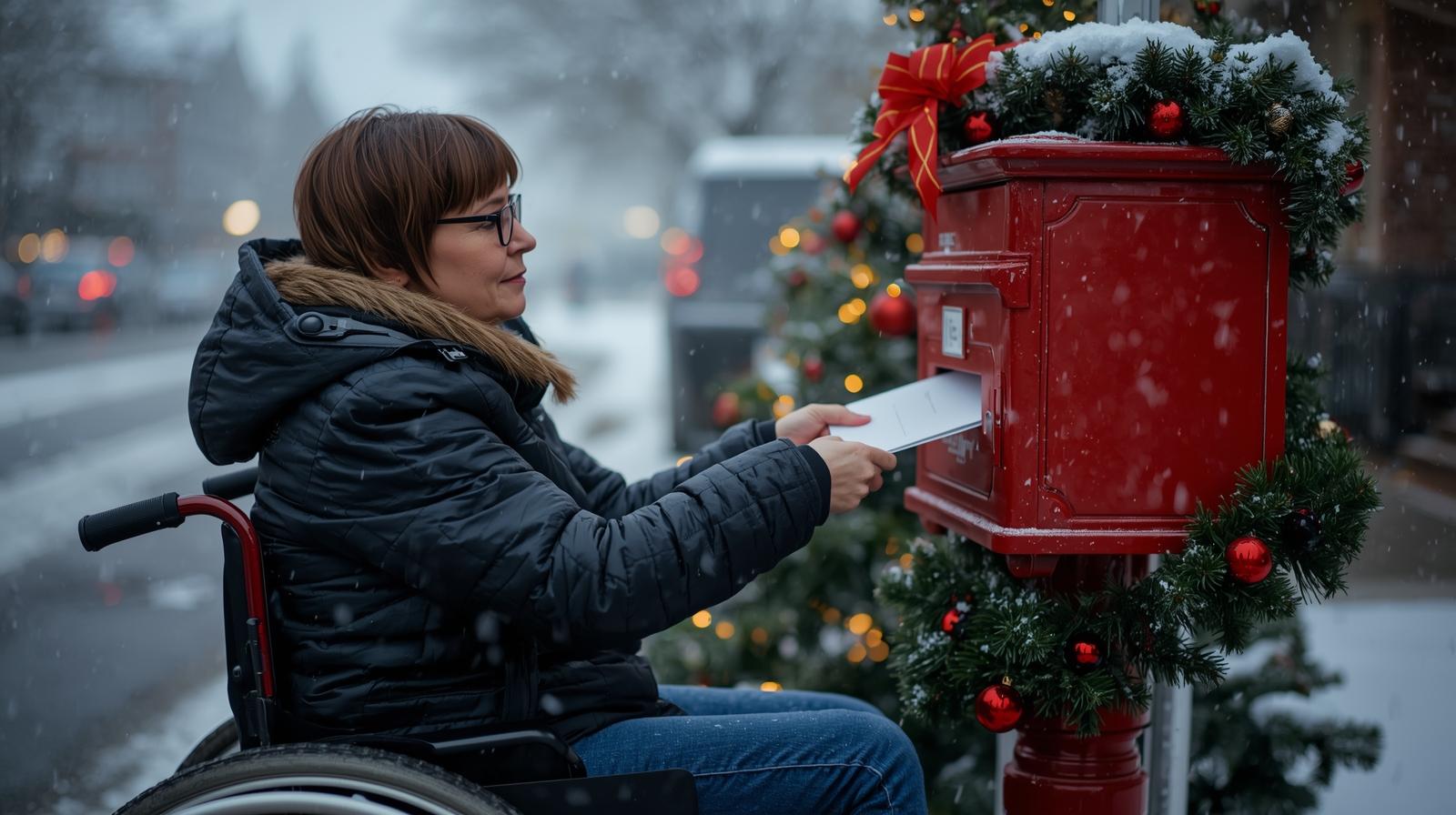
A Christmas Letter To You
You might be reading this on Christmas Eve feeling calm, surrounded by people you love, with a sense that things are steady and warm and more or less as they…

There are moments in life when everything changes all at once, but our emotions do not catch up. Becoming disabled, whether suddenly or gradually, can feel like your body has taken a sharp turn while the rest of you is still trying to make sense of the road. People often focus on mobility, treatments, equipment, benefits and independence. But the emotional reality is quieter and far less discussed: Who am I now? What happened to the person I used to be? Will others ever understand what this feels like?
If you are struggling to cope emotionally after becoming disabled, you are not alone, even if it feels like you are. It is also important to say clearly that disability takes many forms. It is not always sudden or visible. For some, it involves mobility changes or the use of aids. For others, it may be a long-term or fluctuating condition such as diabetes, MS, chronic pain, autoimmune illness or neurological conditions. These experiences affect daily life even if people around you cannot always see it. Whether you use the word “disabled,” “chronically ill,” “long-term condition,” or you are not ready to use any label at all, your experience is valid.
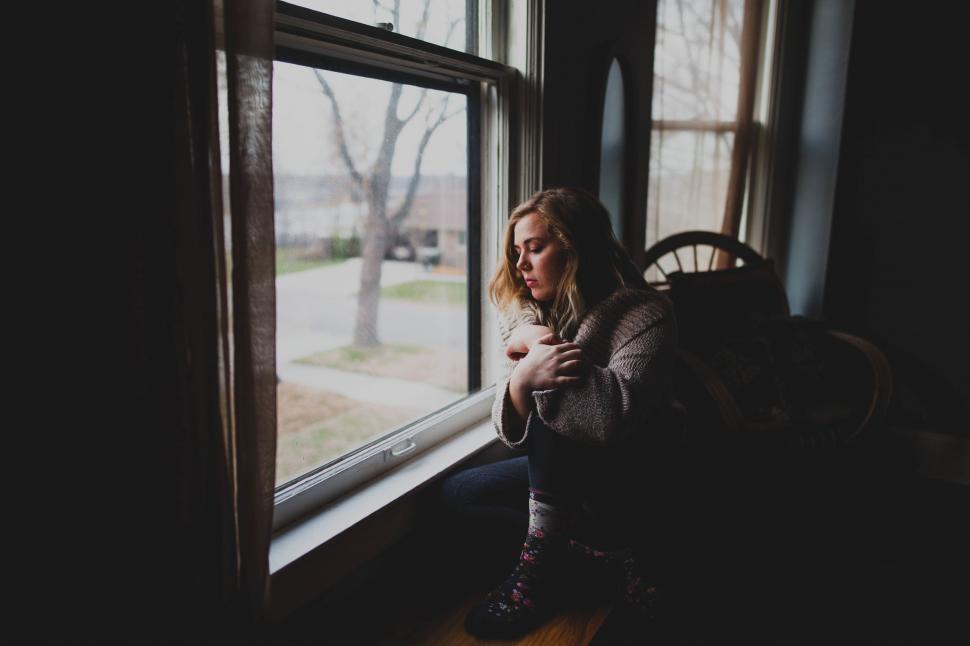
Disability affects far more than physical ability. It can challenge identity, confidence, relationships, long-term plans and sometimes even a sense of worth. There can be grief for the old version of yourself, and it is not dramatic to call it grief. It is a loss. A loss of spontaneity. A loss of choices. A loss of parts of life you did not realise you relied on until they were gone. Many people describe feeling “split in two”: the person they were before disability and the person they are now, and not knowing how to blend the two into one life.
For some, the change is gradual and there are years of trying to push through before admitting that something has shifted. For others, life changes almost overnight, and there is barely time to process the shock before the world expects them to adjust. Friends and family might say things like “You are doing amazingly”, “You are so strong” or “You are coping so well”, even when inside you feel anything but strong. Sometimes bravery becomes a mask, because falling apart feels like a luxury there is no time or space for.
There is often pressure to be grateful. Grateful for the help you receive, grateful for the good days, grateful that things are not worse. But gratitude does not cancel grief. You are allowed to hold both at the same time: thankfulness for what is still here and pain for what is not.
Many of the clients I support talk about feeling like a burden, and it is a feeling I know from the inside too. There is a quiet, persistent shame that can settle in, a belief that you are somehow “too much” or “not enough” all at once. It can make you withdraw, apologise for existing, or try to shrink yourself so you take up less space. That weight is not only heavy, it is lonely. No one should have to carry it on their own.
If you are finding it hard to cope emotionally after becoming disabled, it does not mean you are failing. It means you are human. Big changes take time to metabolise. The heart works more slowly than circumstance.
Therapy can offer a space to unravel all of this safely, without having to reassure anyone, pretend you are fine or minimise your feelings so others will not worry. In sessions, there is room to talk about the parts of disability that are rarely spoken aloud: the identity shift, the frustration, the grief, the exhaustion, the fear of burdening loved ones and the loneliness that can appear even when you are surrounded by people who care.
Together, the aim is not to make you the person you were before, because that version of you deserves honour, not replacement. The aim is to help you build a life that makes sense now, one where the old and new versions of you are both allowed to exist. A life that includes joy, connection, meaning and rest, even if it looks different to what you once imagined.
If any part of this resonates with you, you are not broken and you are not “not coping”. You are adapting to something life-changing, and adaptation is messy. You are allowed to take your time. You are allowed to feel everything you feel. You are allowed to ask for support.
If you would like to talk through what you are going through with someone who understands that disability is not just physical, I offer a gentle and free 30-minute call with no pressure or expectation. It is simply a space to explore whether therapy feels like the right support for you right now.
You have not lost yourself. You are in the process of becoming again.
If acquiring a disability, hidden or seen, has made you feel invisible, you can read my reflections here.





© The Kagami Group Ltd. Company Registration Number: 16557949 | Privacy Policy